
A Guide to Handbag Materials: Leather, Canvas, Vegan More
-
admin
- Posted on
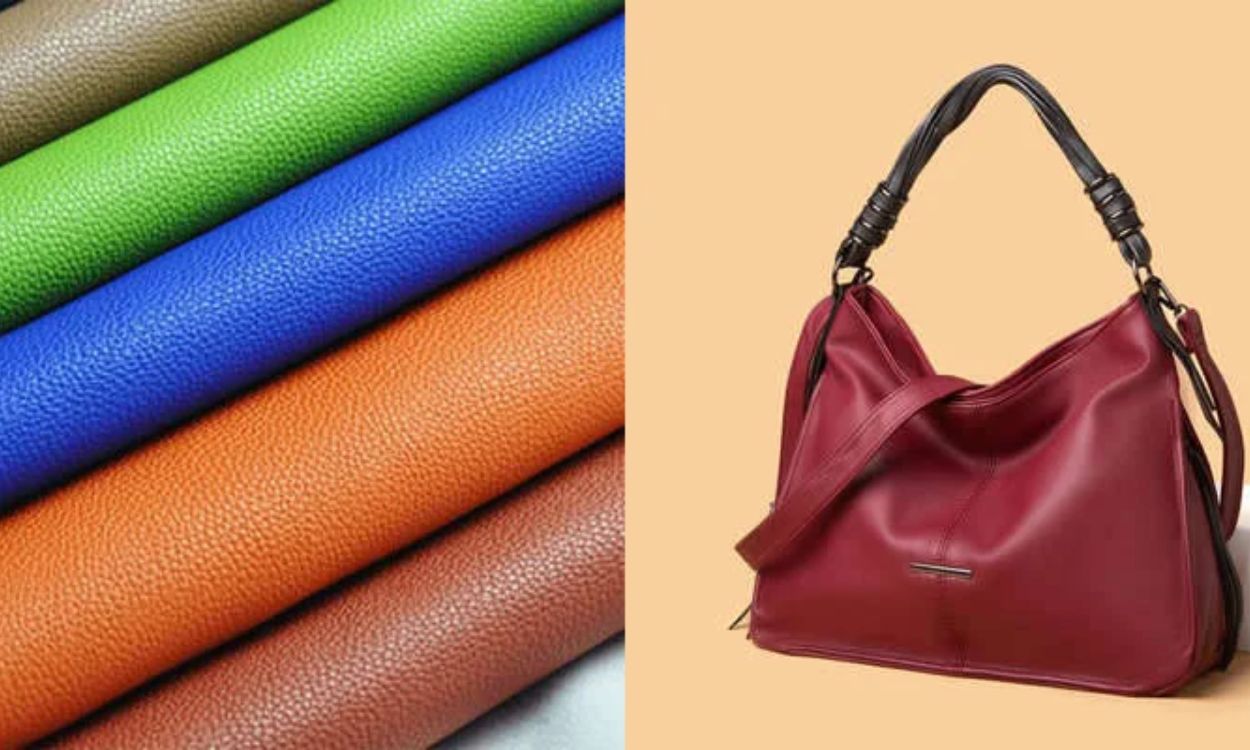
Handbags are more than just accessories—they’re style statements, practical companions, and sometimes even heirlooms. But have you ever stopped to consider what your favorite handbag is made of? The material plays a major role in how your bag looks, feels, and lasts. Whether you prefer the luxury of leather or the eco-consciousness of vegan alternatives, understanding handbag materials can help you make smarter style choices. Here’s your complete guide to the most popular handbag materials, their features, and what makes each one unique.
1. Leather: Timeless and Luxurious
Types of Leather
Leather is perhaps the most iconic material used in handbags. It’s loved for its durability, classic look, and ability to age gracefully. There are several types of leather to be aware of:
- Full-grain leather is the highest quality, made from the top layer of the hide and retaining natural imperfections.
- Top-grain leather is sanded to remove imperfections and has a more uniform look.
- Genuine leather is lower in quality and more affordable but still real leather.
- Patent leather features a glossy finish, adding a bold statement to your outfit.
Pros and Cons
- Pros: Durable, stylish, develops a rich patina over time.
- Cons: Expensive, requires maintenance, not vegan-friendly.
2. Canvas: Casual and Versatile
Canvas is a woven fabric, typically made of cotton or linen. It’s often used in casual totes, beach bags, and backpacks.
Why Choose Canvas?
Canvas bags are lightweight, washable, and usually more affordable. They can be printed with a variety of patterns and colors, making them ideal for relaxed and artistic styles.
Coated Canvas
Many designer brands use coated canvas, which is canvas treated with a layer of PVC or wax to increase water resistance and durability while mimicking the look of leather.
Pros and Cons
- Pros: Affordable, lightweight, easy to clean, eco-friendlier if uncoated.
- Cons: Less formal, not as long-lasting as leather if untreated.
3. Vegan Leather: Cruelty-Free Fashion
What is Vegan Leather?
Vegan leather is a cruelty-free alternative to traditional leather, crafted from synthetic or plant-based materials without the use of any animal products. It’s often crafted from PU (polyurethane), PVC (polyvinyl chloride), or innovative materials like apple peels, pineapple fibers (Piñatex), and mushroom leather (Mylo).
Why It’s Gaining Popularity
With growing awareness of animal rights and sustainability, vegan leather has become increasingly popular. While not all vegan leather is environmentally friendly (especially petroleum-based ones), many newer alternatives are bio-based and biodegradable.
Pros and Cons
- Pros: Animal-friendly, stylish, often more affordable.
- Cons: Some types are not biodegradable, may wear faster than real leather.
4. Nylon: Durable and Lightweight
Nylon handbags are known for their practicality. They’re often used in sporty or travel-focused designs due to their strength and water-resistant nature.
What Makes Nylon Great
Brands like Longchamp and Prada have popularized nylon bags for their durability and low maintenance. It’s also a good choice for those who want a lightweight yet sturdy bag for everyday use.
Pros and Cons
- Pros: Lightweight, water-resistant, tear-resistant.
- Cons: Not as luxurious-looking, can appear too casual for formal occasions.
5. Straw and Raffia: Natural and Breezy
These materials are typically used in summer and beach bags. Made from dried plant fibers, straw and raffia handbags offer a rustic, handcrafted charm.
Best for Seasonal Styles
Straw bags pair well with casual, warm-weather outfits and are often seen in bohemian and vacation wardrobes. While not suited for daily urban use, they’re ideal for relaxed, seasonal flair.
Pros and Cons
- Pros: Natural look, lightweight, eco-friendly.
- Cons: Not water-resistant, delicate and less durable.
6. Suede: Soft and Stylish
Suede is a type of leather made from the underside of the animal hide, giving it a soft, velvety texture. It’s more delicate than standard leather and requires special care.
Great for a Soft Look
Suede bags look elegant and feel luxurious. They work well for autumn and winter styles, adding texture to your outfit.
Pros and Cons
- Pros: Soft, elegant, stylish.
- Cons: Prone to stains and water damage, requires frequent maintenance.
Choosing the Right Material for You
When selecting a handbag, consider your lifestyle, fashion sense, and values. If durability and tradition matter most, go for leather. If sustainability is your priority, explore vegan or natural fibers. For something lightweight and easy to care for, canvas or nylon might be your best bet.
My Luxury Bargain
My Luxury Bargain is a leading online platform for buying and selling pre-owned luxury fashion. Featuring brands like Louis Vuitton, Chanel, Hermès, and Gucci, it offers 100% authenticated designer handbags, accessories, and more at competitive prices. With a strong focus on quality, trust, and sustainability, My Luxury Bargain provides a secure and seamless shopping experience for fashion lovers seeking timeless elegance at exceptional value.
Final Thoughts
The material of your handbag plays a significant role in its function, appearance, and longevity. From the luxurious feel of leather to the conscious appeal of vegan alternatives, there’s a material for every taste and purpose. Knowing the pros and cons of each can help you invest in a handbag that not only complements your wardrobe but also aligns with your values.
Don’t Miss: Latest Handbag Trends of 2025: Style, Functionality Future-Forward Fashion


